
Impact Interview: Eleni Zervos
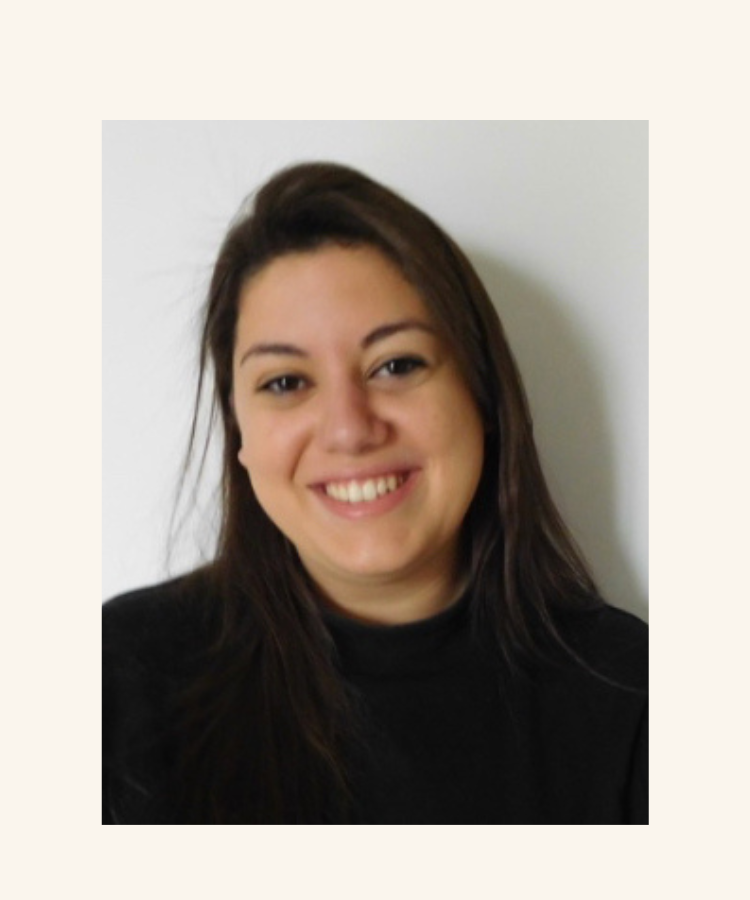
Name: Eleni Zervos
Role/Function: Content & Community Manager, Reconsidered
What are you working on these days?
Reconsidered! My role over the past few years here has evolved, with content strategy and community building being the connective threads. Currently as Content & Community Manager, my goal is to source and create resources useful for our community.
Day-to-day, this looks like maintaining our content calendar, facilitating partnerships, supporting courses/convenings and supporting the team’s operations as needed. As Reconsidered enters this new, intentional chapter, I’m really looking forward to helping it take shape — stay tuned!
Alongside Reconsidered, I’m a freelance social media strategist for several organizations across industries and currently building Ethos Atlas, a social impact career newsletter.
What was the “aha” moment that sparked your interest in social and environmental impact?
There were many but one of the more formative career experiences came in college. Our Amnesty International chapter was hosting a screening of a film on human trafficking. It was an issue I had researched in the past, but seeing it represented this way was a pretty pivotal point for me. I left the screening and immediately made a clear, instinctive decision that as long as this was happening anywhere, I wanted to play a role in pushing back against it.
This decision led me to my interest in ethical supply chains and went on to inform many future career moves for years afterwards. Since then, my understanding of how I can best serve the causes I care about has shifted, but that decision continues to shape the context of how I work. After spending a lot of my earlier career learning about such a high-stakes, wide-spanning issue, I like to think that it’s easier for me to stay connected to the “why” behind any role I step in.
How did you break into the impact space? What career advice would you give to professionals who are just starting out or looking to transition?
I got one of my first jobs in social impact through the network of a fellowship I was part of, Humanity in Action. One of the first things I would recommend to job seekers is to apply for professional leadership development programs or early-career fellowships. I know it’s really easy to talk yourself out of doing, but there’s a lot of value not just in what you’ll learn but the people you’ll be with. You never know the ways your professional paths will cross with someone you’ve met before and expanding the opportunity for those serendipitous connections can really help move your career forward in ways you can’t predict.
I would also recommend exploring how you can leverage short-term or less time-intensive professional commitments. This isn’t always feasible, but if you have the time, see if there is an organization you can volunteer your skills to for 3-4 hours a week or a relevant side passion project you can start. A role does not need to be full-time or even part-time for it to add value to your resume and story.
Finally, don’t be afraid to pivot! Skills are transferable — one of the best career decisions I made was a complete, unrelated pivot to a marketing role at an e-commerce store for a few years. This not only helped me develop skills that I don’t think I would have following the more traditional social impact career trajectory I had been on, it gave me a lot of clarity on what I wanted to do when I did ultimately return to social impact roles. I then used these experiences to pivot back to impact organizations including WFTO, the Women in International Affairs Network and now Reconsidered.
Working in impact is often about driving change. What is the skill or trait that has been most important for your work as a change agent? How did you learn or hone it?
I know this may sound more abstract, but one of my north stars that I hope is reflected in how I show up at work is being mindful that everyone is a human being with their own lives, outside of our professional context. Social impact to me is about protecting peoples’ right and ability to live meaningful, fulfilled lives with their loved ones. Keeping this top of mind is something I’m intentional about and is a very energizing force in the work I do.
On a more concrete level, I REALLY enjoy resource curation. It’s really fulfilling for me to connect folks to the opportunities relevant to them — it’s a bit of a niche pursuit, but I’ve found that it has shown up and added value in my work many, many times.
What most excites you about the impact space right now?
With very few exceptions (Reconsidered being one of them!), even five years ago, there weren’t many resources or organizations to help career seekers break into social impact. This is changing quickly and folks now have many places to turn to for support. It’s been really encouraging (though unsurprising) to see the ways the social impact community has stepped up.