
Impact Interview: Tehya Kopp
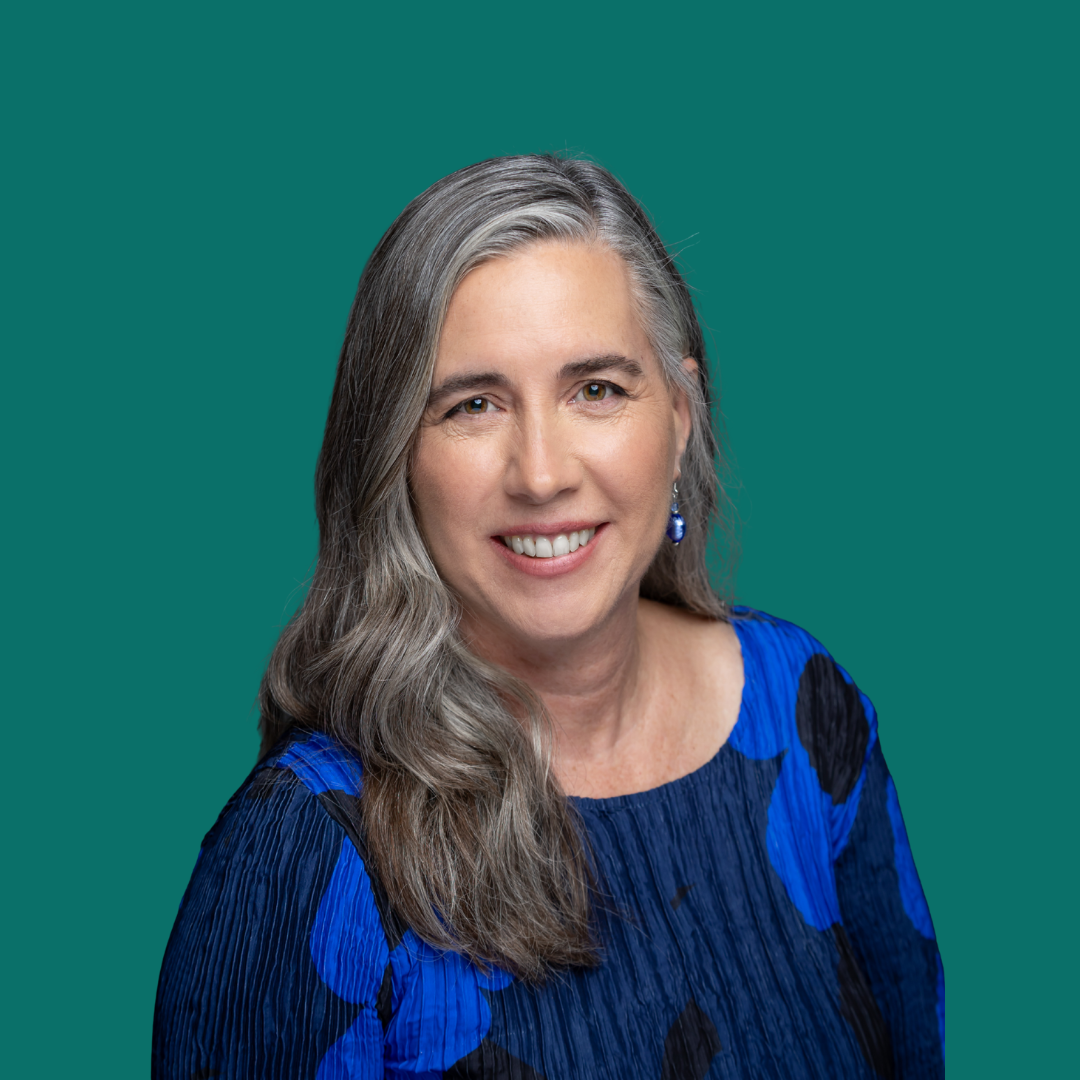
Name: Tehya Kopp
Role/Function: Founder, Courageous Results, Leadership Coach and Fractional Executive
What are you working on these days?
I started Courageous Results with a simple intention: to help elevate humanity. It’s a big goal, and I don’t do it alone, but it guides who I work with and how I show up.
Today I work in two ways. First, as an ICF-certified coach for changemakers, I support founders and mission-driven leaders navigating the messy middle of growth. Many are stepping out of front‑line management and into executive leadership, and I help them build the operational scaffolding and internal clarity to lead with confidence.
Second, when the fit is right, I serve as a fractional executive. Currently, I’m the fractional Chief Impact Officer at Ryzo Studios, where we’re building a purpose-driven animation studio that treats narrative as a catalyst for cultural and behavioral transformation. Our first impact franchise focuses on emotional regulation for boys, including a YouTube channel, a short film, a Roblox game and classroom activities. It’s been fascinating to balance the creative tension of designing compelling stories with meaningful impact outcomes.
I also stay grounded in the broader ecosystem through board and advisory roles with B Local Los Angeles, Vital Voices and Fund Her. Across all of this work, my focus is helping leaders and organizations design systems that are effective and aligned with the future we’re trying to build.
What was the “aha” moment that sparked your interest in social and environmental impact?
My “aha” moment emerged during a period of personal and societal upheaval. After 18 years at Warner Bros., my role was eliminated, coinciding with the intensity following the 2016 election and the height of the MeToo movement. It felt like a stark line had been drawn in the world: you were either contributing to solutions or part of the problem. I knew I needed to be driving change.
The moment crystallized in November 2017 at the launch of Fund Her, a political action committee supporting progressive women running for state office. As I listened to candidate after candidate share why they were stepping up, I initially thought, “Of course they can do this — they’re superheroes.” And then it hit me: after over two decades working in entertainment, I knew superheroes weren’t real. These were ordinary people choosing courage. If they could step forward, so could I.
Since then, I’ve been in a steady stream of “aha” moments as I deepen my understanding about our polycrisis, the skills required to engage meaningfully and the emotional and energetic practices needed to navigate what can sometimes feel overwhelming. That journey inspired the name Courageous Results: a reminder that these times call for showing up as our best selves, being strategic with our access and abilities for the greater good and operating with excellence to get meaningful things done.
How did you break into the impact space? What career advice would you give to professionals who are just starting out or looking to transition?
I worked my way into the impact space one step at a time. Once I knew I wanted to pivot, I got involved in causes I cared about however I could, while paying the bills through contract work in my previous field. Over time, that proximity built fluency and credibility, which allowed me to move from being an executive at WarnerMedia to joining the executive leadership team at Fair Trade USA. From there, I built my coaching and fractional executive practice.
My advice for aspiring impact professionals:
Get specific about what you want to impact. Clarity helps you deepen your expertise and stand out.
Identify your most valuable, enjoyable skills. Passion is foundational, but people are hired because of what they can get done. What are the primary problems you help people solve? Can you get paid for that? Use that as your calling card.
Learn the language and build trust. Especially if you are pivoting from another industry, humility and participation go a long way.
Be perseverant and also flexible. Don’t worry about getting the perfect job — start where you can and build from there. When it gets hard, remember what your goal is and evaluate what changes could help you get there.
Focus on excellence not perfection. Develop the internal muscles to identify what enough looks like. This will help keep you moving through the enormity of the work.
Working in impact is often about driving change. What is the skill or trait that has been most important for your work as a change agent? How did you learn or hone it?
Two skills have shaped my work: creating clarity in complexity and deep listening.
Creating clarity in complexity is essential if you are trying to make change at the systems level. You do have to see the big picture — the stakeholders, the dynamics beneath the surface, the feedback loops, the tensions — but without getting overwhelmed. Focus on the core principles that will drive the change and build clarity around those. I learned this in cross-functional roles during periods of rapid growth and transformation in corporate environments. Later, as a coach, I learned how to pair that clarity with emotional intelligence so leaders could understand not just the system, but their role within it.
Deep listening came earlier, when I taught English to adult journalists in Prague after the Velvet Revolution. As an untrained teacher, I quickly realized that a lesson plan was only as good as the learning it unlocked, that if I wanted to help people change, I needed to meet them where they were. Intentional listening — to understand the other person’s point of view, starting point, motivations — became the foundation of my approach.
These skills work together. Without listening, you miss the heart of the complexity. Without clarity, you can’t turn insight into action. Together, they allow me to help my clients lead effective change.
What most excites you about the impact space right now?
I’m energized by the sheer number of people working toward a better next. I know I live in a self-created bubble of changemakers, but even beyond that, I sense a collective readiness for transformation.
My dad, a conscientious objector during the Vietnam War, used to say we were entering the Age of Aquarius — a time of upheaval and possibility. My grandmother, who is about to turn 105, once told me that sometimes a door has to close for us to even notice the others waiting to be opened. That wisdom feels especially relevant now.
What excites me is the liminality of this moment — the space between what was and what will be. It’s uncomfortable, but it’s also full of potential. We’re seeing more systems-level thinking, more willingness to challenge old constructs, and more optimism about building something better. Humans created the systems we live in, which means we have the collective power to redesign them.
This is revolutionary, not evolutionary, work. It will take fortitude, but I’m inspired by the courage and creativity I see all around me.