
Impact Interview: Katie O'Hare
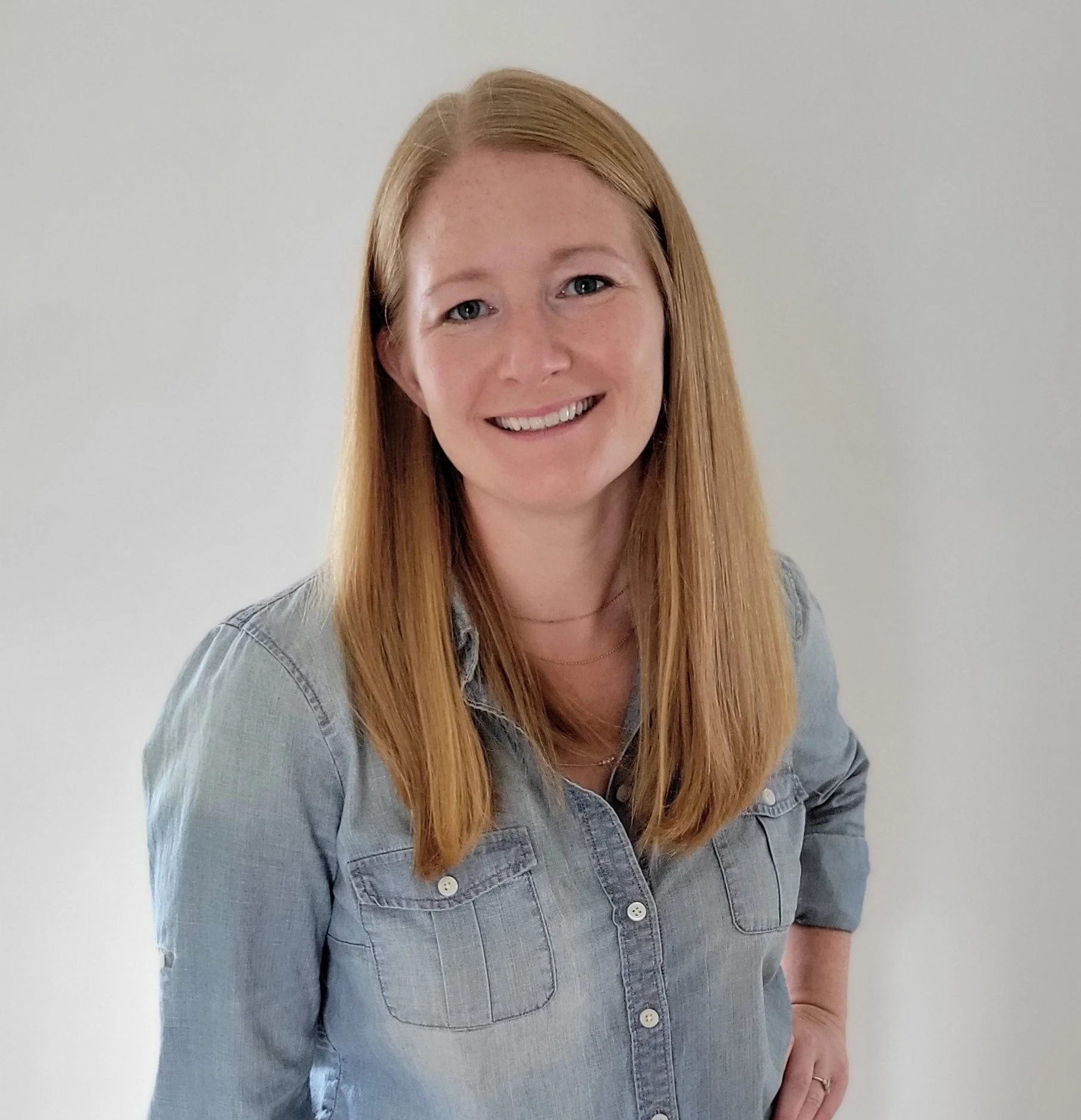
Name: Katie O'Hare
Role/Function: VP Sustainability, J.Crew Group
What are you working on these days?
Right now, a big focus of the team has been setting our new impact strategy, which includes our goals for 2030 and 2035 across four pillars: people, product, planet and principles. It has been a very exciting process that forced us to think hard about what we want to be true about our business a decade from now, which has been both challenging and energizing.
I'm especially excited about the nature strategy piece of this, which covers our impact on water, forests and land. A big part of that is our push into regenerative cotton, and we’re setting a public goal that 30% of our cotton will come from regenerative farms by 2030. To get there, we've launched some exciting partnerships with cotton traders that let us connect more directly with farmers, offering extra incentives for regenerative practices while also building out our ability to integrate that cotton into our products at scale.
The other piece I'd spotlight is our first-ever commitment to restoring and regenerating 500,000 acres of land. We'll get there partly through our own regenerative farming work, but also by seeking out key partners for strategic investments that can help accelerate the impact. It's early days, but it feels like meaningful, tangible work.
How did you break into the impact space? What career advice would you give to professionals who are just starting out or looking to transition?
My career path started in advertising. I enjoyed the work, but I quickly realized I wanted a job that wasn't just meeting business goals, but also had something more meaningful behind it. That realization led me back to school for a dual degree at the Erb Institute at the University of Michigan, studying both business and sustainability, which felt like the right combination to make an impact from inside a company rather than around its edges. Since then, I've been working in apparel sustainability, which I love because I get to work with amazing brands while also touching everything from the circular economy to regenerative farming.
For anyone looking to break in, I'd say don't assume there's just one path or one type of role. Yes, there are dedicated sustainability roles, but some of the most powerful impact work happens through people embedded in other parts of the business. A partner in marketing or finance who's genuinely passionate about sustainability can be just as valuable as someone with "sustainability" in their title, because they can help drive these initiatives forward from within functions that shape real business decisions.
So if you're early in your career or thinking about a transition, look for ways to connect your current skill set to impact, whether that's a formal sustainability role or simply becoming the person on your team who champions these issues.
Working in impact is often about driving change. What is the skill or trait that has been most important for your work as a change agent? How did you learn or hone it?
If I had to name one skill, it would be communication. Specifically, the ability to translate complicated sustainability concepts into language that resonates with whoever I'm talking to, whether that's a sourcing partner, a finance partner or a supplier. Sustainability work often involves dense, technical or abstract ideas, and if you can't make them clear and relevant to the person in front of you, even the best strategy goes nowhere.
The other trait that's been essential is anticipating questions and showing up with solutions rather than open-ended ideas. Early on, I noticed that vague proposals tend to stall conversations, while something concrete, even if imperfect, gives people a real starting point to react to, push back on, and improve. It shifts the dynamic from "convince me this matters" to "let's make this better together," which tends to build momentum much faster.
These skills have taken a lot of work and have been honed by reflecting on what worked and what didn’t and being willing to adjust my approach based on who I was talking to. It's less about mastering a specific technique and more about staying attentive to how your message is landing, then adapting.
How has the way you think about communicating sustainability changed over the course of your career? What do you think it takes to get it right?
Early in my career, I think I approached sustainability communication as a bit of a persuasion exercise, as though if I made the case urgently enough, they'd feel compelled to act. There was a moment that changed that for me. I was in a meeting with an executive discussing animal welfare issues, and she said, "Of course I want to do the right thing, but you need to tell me how to do it." That stuck with me — she didn’t need convincing, she needed a clear, practical path forward.
Since then, I've gone into meetings assuming people want to be part of these initiatives, rather than assuming I need to win them over or make them feel guilty for not doing more. My job is to help people figure out how to act within the very real constraints of the jobs they're already juggling every day. That shift, from persuasion to partnership, has changed almost everything about how I communicate: less time spent on the "why," (although the why is something still important, especially with new or emerging topics!), but more time spent co-creating the "how."
Where I've landed is that good sustainability communication is about meeting people where they are and treating their constraints as real inputs to solve for rather than obstacles to overcome. What I'm still sitting with is how to keep that same instinct of partnership as the initiatives get more complex (regenerative agriculture, circularity, supply chain traceability, etc.) where the "how" is often genuinely hard to figure out, even for people who are fully bought in.
What's a communication moment from your work that you're particularly proud of? Why do you think it landed?
A moment I'm very proud of is very timely — we just launched J.Crew Group’s 2025 Impact Report. It recaps everything we accomplished toward our 2025 goals, including hitting 81% sustainable cotton and having all Madewell denim produced in Fair Trade Certified factories. Those milestones took years of groundwork, so seeing them land in a clear, public way felt like a real moment of validation for the whole team.
But what made it especially meaningful was that it also formally launched our new 2030+ strategy. The report allowed us to celebrate what we've achieved while also talking about what’s next, including our commitment to 30% regenerative cotton, new nature goals and evolved worker empowerment programs that let us reach even more people with meaningful support, including a new partnership with VisionSpring to provide eyeglasses to workers, often for the first time.
I’m particularly proud of this report, and for the team who drove its creation, because it covers both "here's what we did" with "here's what's next", which I believe builds credibility in a way that either piece alone doesn't.