
Impact Interview: Mary Gable
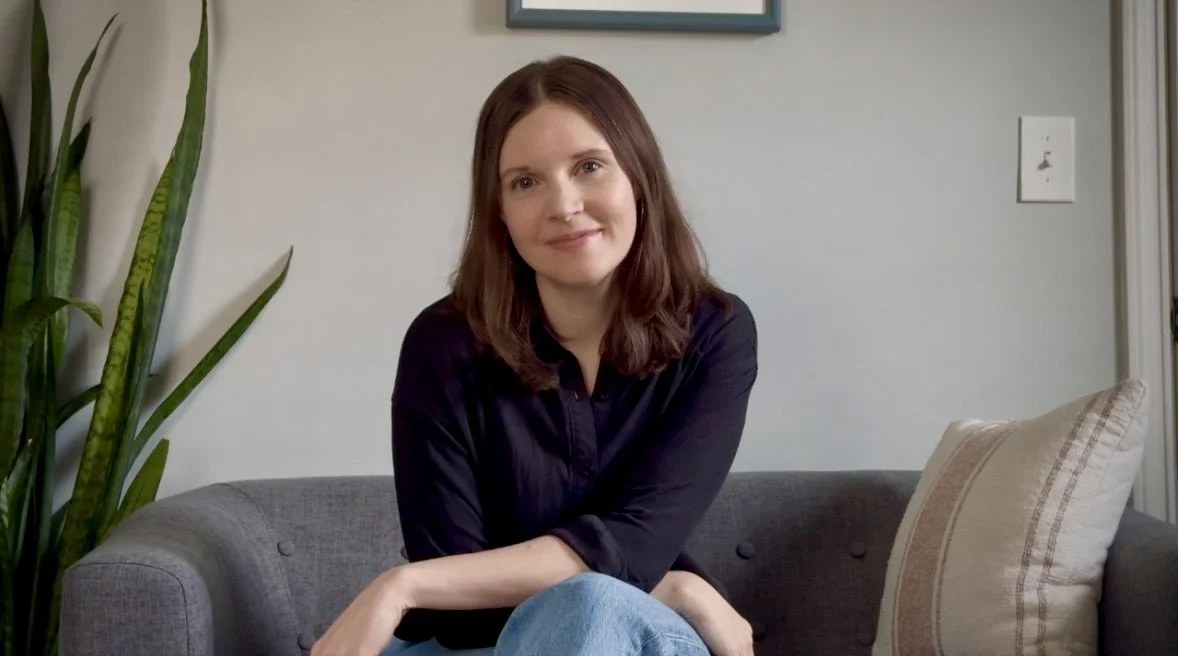
Name: Mary Gable
Role/Function: Editorial Director, Corporate Reports, Inc.
What are you working on these days?
I, along with the other writers on my team, are in the thick of drafting impact reports for the 2025-2026 season. It’s been an interesting year to say the least, given political pressure and regulatory uncertainty in the U.S. and beyond. 2025 was also a goal year for many companies, so this year’s reports feel like a collective reflection on where we’ve been since 2019-2020, when many goals were set, and what the next chapter will look like. On CRI’s strategy and advisory team more broadly, my colleagues are helping clients prepare for and align disclosures with emerging regulations like CSRD.
What was the “aha” moment that sparked your interest in social and environmental impact?
Early in my career as a communicator, I was inspired by the work of writers and activists like Bill McKibben and Naomi Klein, who draw attention to both the urgency of the climate crisis and the need for companies to take responsibility for their impacts. Their work helped me understand that business as usual was at the heart of many social and environmental problems and that it was time for a fundamental shift.
How did you break into the impact space? What career advice would you give to professionals who are just starting out or looking to transition?
I began my career doing B2B writing and editing for a small content agency. I worked on everything from proposals for federal contractors to an industry report on pet health insurance. This work gave me exposure to a wide variety of clients and helped me build the stamina needed to take on longform business writing. It also included a fair amount of writing on science, education and philanthropy — so shifting to sustainability reports was a natural pivot.
For those interested in report writing, I recommend familiarizing yourself with the breadth of issues covered in reports and studying how these reports are constructed. While they are much longer than most business communications and approach topics with a specific lens, they share elements with many other types of writing that most people with comms backgrounds will be familiar with.
I have joked that I write term papers for a living, and the comparison isn’t far off—that is, if those papers had to adhere to a specific brand voice, satisfy an ever-growing list of stakeholders and third-party reviewers and earn the blessing of legal teams. If that sounds like your idea of fun, let’s talk.
Working in impact is often about driving change. What is the skill or trait that has been most important for your work as a change agent? How did you learn or hone it?
Staying curious. One of my favorite things about my job is that I am constantly learning — about new (to me) industries, technologies and solutions to global problems. I spend much of my time interviewing experts about their work, then finding ways to translate what I hear into stories and narratives. In these conversations, I’m often seeking out the nuances that experts wish more people understood, or the questions they’ve always wished someone would ask. If I can figure out what they find fascinating about their work, I can help others see it as they do.
What most excites you about the impact space right now?
The more that businesses tackle so-called low-hanging fruit, the harder it becomes to make further progress on sustainability. That’s why I’m inspired by organizations that are starting to think beyond traditional Scopes 1-3 and draw attention to the other ways that business actions indirectly enable GHG emissions, whether through technology services, financing or political donations. I’m also excited about groups like ClimateVoice encouraging people to work together to influence their employers to decarbonize. Even in a moment when it feels like many avenues for change are closed off to us, there are still plenty of levers we can pull, and these are the types of conversations I hope to hear more of in the years ahead.