
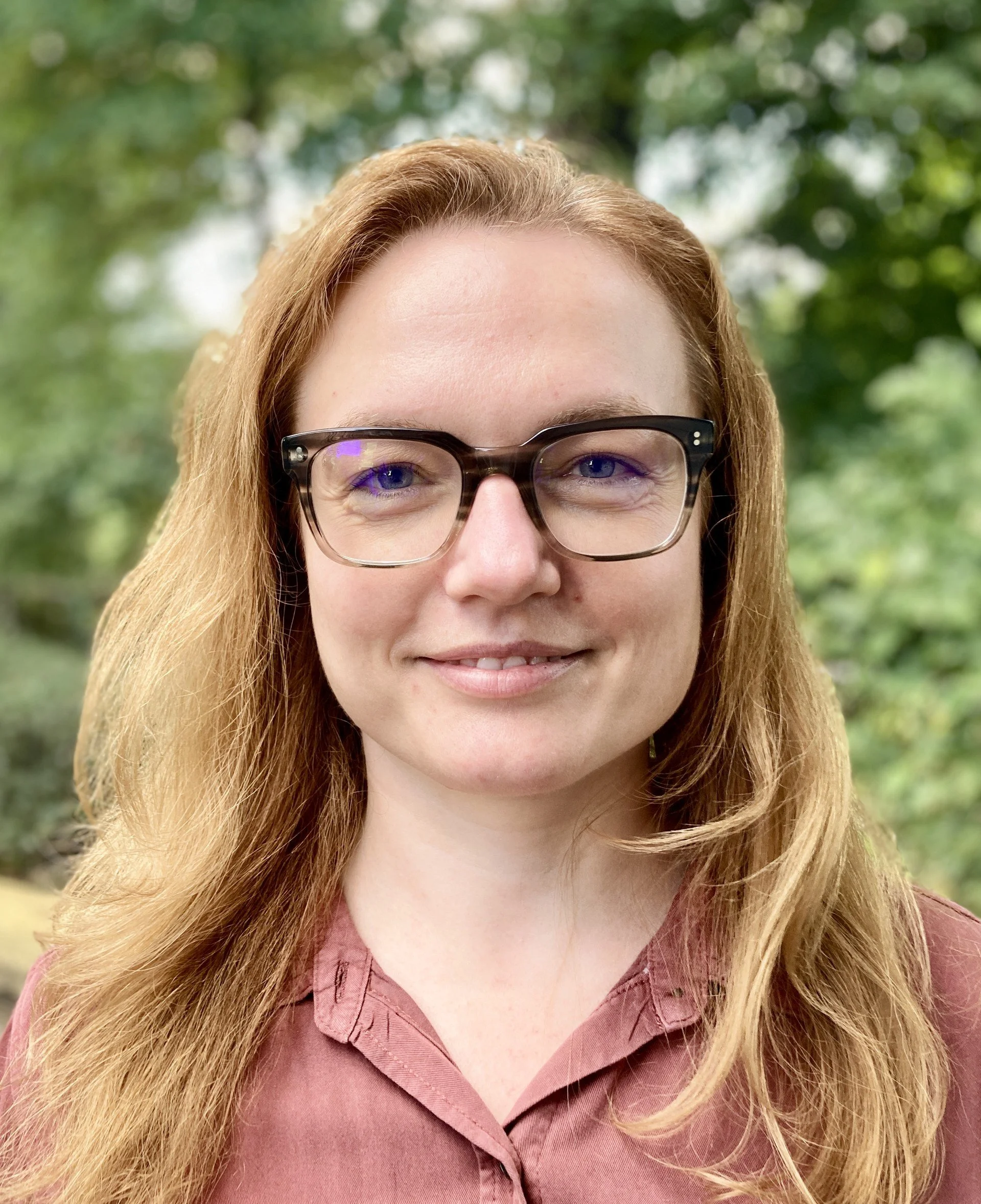
Name: Brie Seferian
Role/Function: Senior Manager, EPR North America, Mondelēz International
What are you working on these days?
EPR is Extended Producer Responsibility — a policy approach that shifts the financial responsibility for end-of-life management of materials off of the local municipality or citizen and onto the producer of that material. It has existed in Canada and the EU for many years and is now spreading in the U.S. as well. We've had it for things like mattresses and batteries for a while but now it's being passed in more states for packaging and other materials. The first EPR law for textiles and apparel passed in California recently.
I manage packaging EPR for Mondelēz in North America, so right now I am preparing to report to all provinces in Canada and states in the U.S. in May, as well as leading a task force to prepare for plastic source reduction mandates in California. It sounds kind of dry and boring but I'm a geek, I love it.
What was the “aha” moment that sparked your interest in social and environmental impact?
I wish I realized it earlier! I was a card-carrying member of Greenpeace as a little kid — my mom tells stories about me standing on a chair in Al's Deli and lecturing the owner about dolphin-safe tuna. He was so proud a few weeks later to show me that he'd changed his sourcing to be dolphin-safe. That should have been the moment — I convinced a business owner to make a better choice because his customer cared! And I was 6! But it never occurred to me that sustainability was a job.
I became an actor and Off-Broadway theater producer in New York and fashion design was my day job. I switched to fashion design full time when I got married and wanted to have kids. Fashion design gave me a creative outlet with those other goodies like health insurance and maternity leave.
Eventually, I realized some of the negative aspects of it as well and struggled with trying to make better choices as a designer. I now know that the reason I struggled was because isolated choices don't make much of a difference when the system is still powered full steam in the other direction. I became really inspired by the concept of Circular Economy, changing the system entirely. My aha moment was when I was in charge of a program of family t-shirts. Basically, they were intended for a family photo on Instagram — cute, coordinated sayings and graphics but essentially single-use clothing. I just thought wow, I cannot do this anymore. I have to be a part of making this better.
How did you break into the impact space? What career advice would you give to professionals who are just starting out or looking to transition?
Someone gave me the advice to look at the background of people whose current job you are envious of — how did they get there? I did a lot of LinkedIn sleuthing and every single one of them had an MBA! So I went to Yale. I did an Executive MBA in Sustainability and it was amazing. I absolutely credit my pivot into sustainability with everything I learned there.
That being said, it's also important to leverage your experience outside of social impact. I had 15 years of experience in fashion and retail, so that was the obvious place to start — my first role was in Product Sustainability and Circularity at Macy's, Inc. My knowledge of fashion systems and cycles, materials and processes, was invaluable and not something I learned from an MBA.
Working in impact is often about driving change. What is the skill or trait that has been most important for your work as a change agent? How did you learn or hone it?
The hard skill that's been most important for me is Excel - Modeling Managerial Decisions was one of my favorite classes in grad school, and I spend a lot of time building models now. When talking to leadership they always feel more comfortable when I can show them the numbers behind the analysis.
For soft skills, never underestimate the power of being a nice person. Building relationships and trust, helping others whenever you can, not only makes life more pleasant for everyone but also makes them more likely to want to help you back. Another key soft skill is persistence and if you're not a nice person, you won't get a chance to make a pitch more than once.
What most excites you about the impact space right now?
I'm a pragmatic optimist. There is always something to be hopeful about and always something that must be done to move towards that hopeful future. There is a lot of momentum right now — renewables, new materials, governments and citizens demanding better transparency. The key is to ensure that as we gather more data and provide more transparency we use it to make better decisions, not to simply replicate the mistakes of the past with regrettable substitutions that cause even more waste.
This season, our Impact Interviews series features members of the Change Hub, our membership community for busy sustainable business professionals. Tap into trainings, tools and a trusted network of fellow impact practitioners (including Brie!) by JOINING US HERE.