
Impact Interview: Liz Johnston
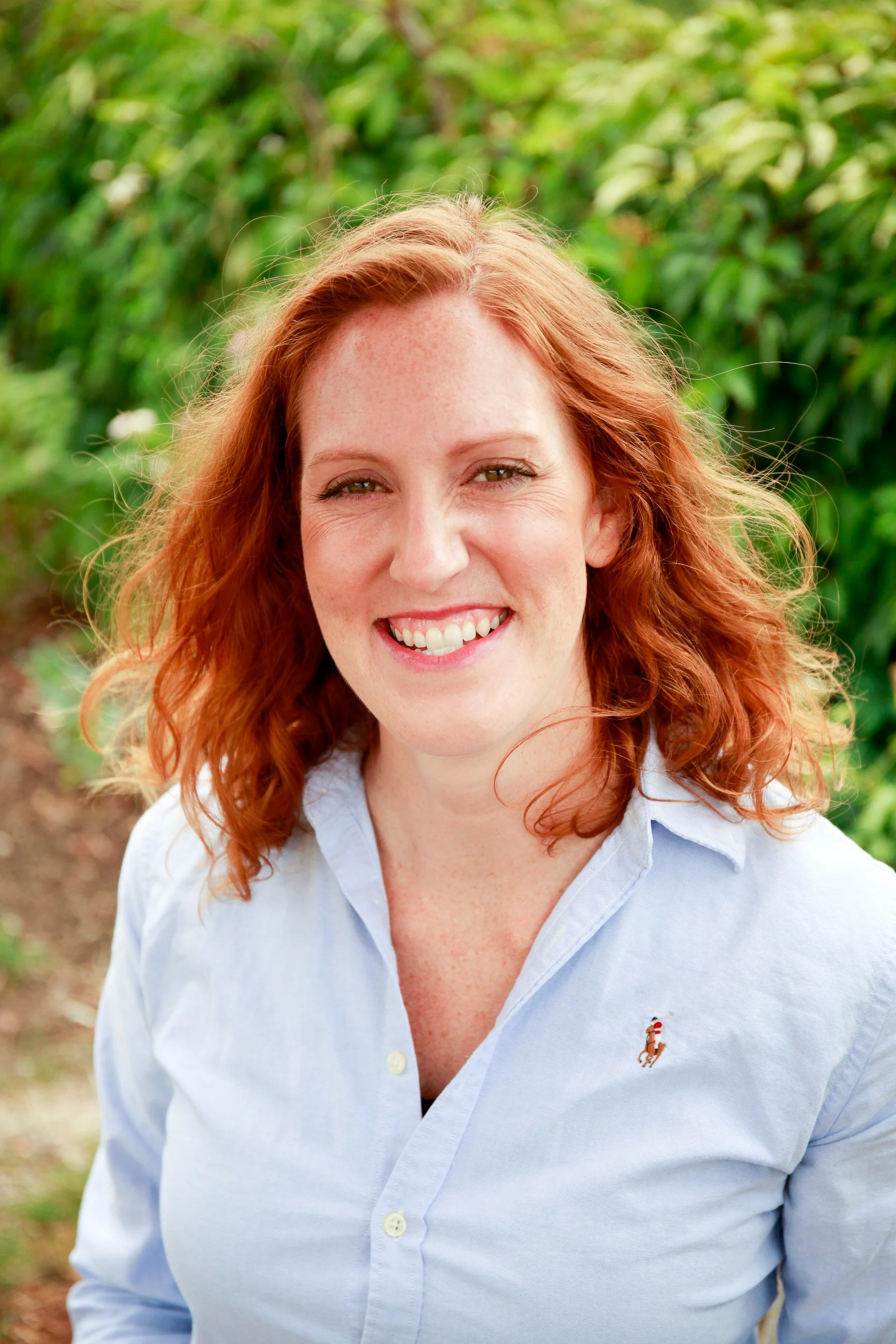
Name: Liz Johnston
Role/Function: Principal Consultant, Liz Johnston Consulting
What are you working on these days?
Right now, I’m working with a client to design and implement a place-based climate resilience program that brings together multiple conservation finance mechanisms, including carbon offsets to reforest lands near salmon-bearing rivers for the benefit of both people and nature. I’m acting as a trusted advisor providing structured strategic guidance, market development research support and stakeholder engagement capacity to accelerate implementation, align partner efforts and create a cohesive program narrative.
As Principal of Liz Johnston Consulting, my focus is helping purpose-driven businesses and organizations — especially in the food, beverage and natural products space — translate climate and nature commitments into real-world, place-based action. That means moving beyond high-level sustainability goals and into grounded, science-based programs that simultaneously support ecosystems, communities and long-term business stability. When projects are designed with local knowledge and grounded in good science, we see stronger outcomes and lasting partnerships.
What’s encouraging is the momentum I’m seeing. Even if it isn’t discussed publicly in press releases and marketing campaigns as much, more companies are recognizing that investing in nature and biodiversity isn’t just philanthropy — it’s risk management, supply chain resilience and long-term value creation. Nature isn’t peripheral to business success. It’s foundational.
What was the “aha” moment that sparked your interest in social and environmental impact?
I grew up near the beach in Seattle, located on Puget Sound, spending my childhood looking for creatures in tidepools and marveling in the dynamic marine ecosystem. My best friend and I would roll up our pantlegs and wade deep into the water at low tide to see anemones, sunflower sea stars, and other animals that only became accessible when everything aligned just right.
My connection to the natural world led me to a year at University of Queensland in Brisbane, Australia, where I studied marine ecology on the Great Barrier Reef. Immersing myself in field courses to experience coral reefs, rainforests and coastal ecosystems first-hand fundamentally shaped how I see the world. I had the opportunity to spend additional time at Heron Island Research Station which is a world-class marine station for coral reef research and education. I learned to appreciate the complexity and interconnectedness these ecosystems have with communities and industries.
These early life experiences made it clear to me that I wanted a career in service of nature. Protecting marine, freshwater and terrestrial ecosystems felt vital for the future. That belief still guides my work today, especially as I partner with businesses that depend upon healthy oceans, rivers, soils and forests.
How did you break into the impact space? What career advice would you give to professionals who are just starting out or looking to transition?
I began my career in land conservation in the Pacific Northwest, working with forest and farmland owners, Tribal nations and municipalities on conservation initiatives. One of my proudest accomplishments was orchestrating a complex $14-million land conservation deal to acquire 2,500-acres to create a beloved regional park with access to trails, wildlife habitat and shoreline at Port Gamble Bay in the Puget Sound. That work grounded me in the realities of place-based impact — where climate, ecosystems, culture, economics and community are deeply intertwined. I learned how to truly listen to community members, respect differing opinions and build consensus for a vision that also made financial sense.
My next role in supply chain management and corporate social responsibility opened up my eyes to how Fortune 500 companies operate on a global scale. I advised companies on engagement strategies and direct conversations with their suppliers to improve forest product sourcing practices, including protecting and enhancing key cultural and ecological values in the Southeast United States and boreal Canada.
With both of these roles, I learned how to navigate difficult but critical conversations and build relationships. Work in the sustainability and social impact sector isn’t easy, but there is so much possibility to influence transformation. The relationships I built throughout my career gave me the courage to launch my own independent practice nearly two years ago. Creating a business rooted in personal values and lived experience has required deep reflection, experimentation and a willingness to not have everything figured out. But it’s also been the most aligned work I’ve ever done.
My advice to someone starting out or considering a transition: Talk to lots of people. Be willing to make mistakes. Try things. Let yourself pivot. One book that really shifted my perspective was Designing Your Life by Bill Burnett and Dave Evans. It helped me reframe my career not as a single “right path,” but as multiple possible futures I could intentionally design toward. Purpose isn’t something you find once — it’s something you build, revise and adapt over time.
Working in impact is often about driving change. What is the skill or trait that has been most important for your work as a change agent? How did you learn or hone it?
If I had to sum it up in one word, I would say “connection.” Building real relationships with people has been the most important skill in my life and my work. The best policies and sustainability strategies fall flat if they aren’t grounded in trust, understanding and human relationships.
Early in my career, that meant sitting at kitchen tables with families who had farmed their land for generations, listening to their stories and motivations. Later, it meant working with multi-national companies while visiting forest landowners and pulp and paper mills to understand real-world constraints, practices and pressures. And while spearheading a national urban forest carbon program, it meant meeting with municipalities and land trusts interested in starting carbon projects to access new financing for tree planting and preservation that benefited local communities.
Today, many of those conversations happen over video calls with clients and partners across regions and sectors — but the intention is the same: create space for trust, curiosity and collaboration. Building a common language for conversation is an important step. People can come with different frames and understandings and creating a shared terminology, accessible language and active listening creates a foundation for connection. Establishing this common language early on saves time, reduces conflict and leads to better project outcomes.
You can’t mandate transformation. A no-deforestation or no-conversion policy doesn’t work if it’s imposed without understanding local realities. When stakeholders aren’t supported, sustainability becomes a compliance exercise instead of a meaningful transition. If we want lasting climate and nature outcomes, we have to design solutions with people, not for them.
What most excites you about the impact space right now?
What excites me most is the convergence happening between business strategy, climate resilience and nature. We’re finally seeing a shift from sustainability as a side initiative to nature as a core business strategy to build resiliency.
I’m especially energized by the rise of nature-based solutions and place-based climate strategies that create real incentives for ecosystem protection — not just reporting frameworks or commitments on paper. Corporate action on nature is being driven from many directions: regulatory and policy pressure, competitive advantage, risk management and increasing physical climate impacts. Flooding, extreme heat and other climate extremes are no longer abstract risks — they’re disrupting supply chains, affecting workers and reshaping business continuity planning in real time.
There’s growing recognition that biodiversity, freshwater systems, soils, forests and oceans are critical infrastructure. For the food and beverage sector in particular, this is a turning point. Companies are beginning to understand that healthy watersheds are tied to supply chain resilience, food security and economic stability.
What gives me hope is that more purpose-driven companies — including B Corps and climate-committed brands — are asking better questions. Where are our biggest gaps? Which places matter most in our supply chains? How do we invest in ecosystem resilience in ways that are practical, credible and measurable?
Even small steps matter. Action builds momentum.
What I’m most excited about is helping clients move forward — making this work actionable, grounded and mobilizing. Helping people move from paralysis to participation, from fear to agency, and from complexity to clarity.