
Impact Interview: Amber Westerborg
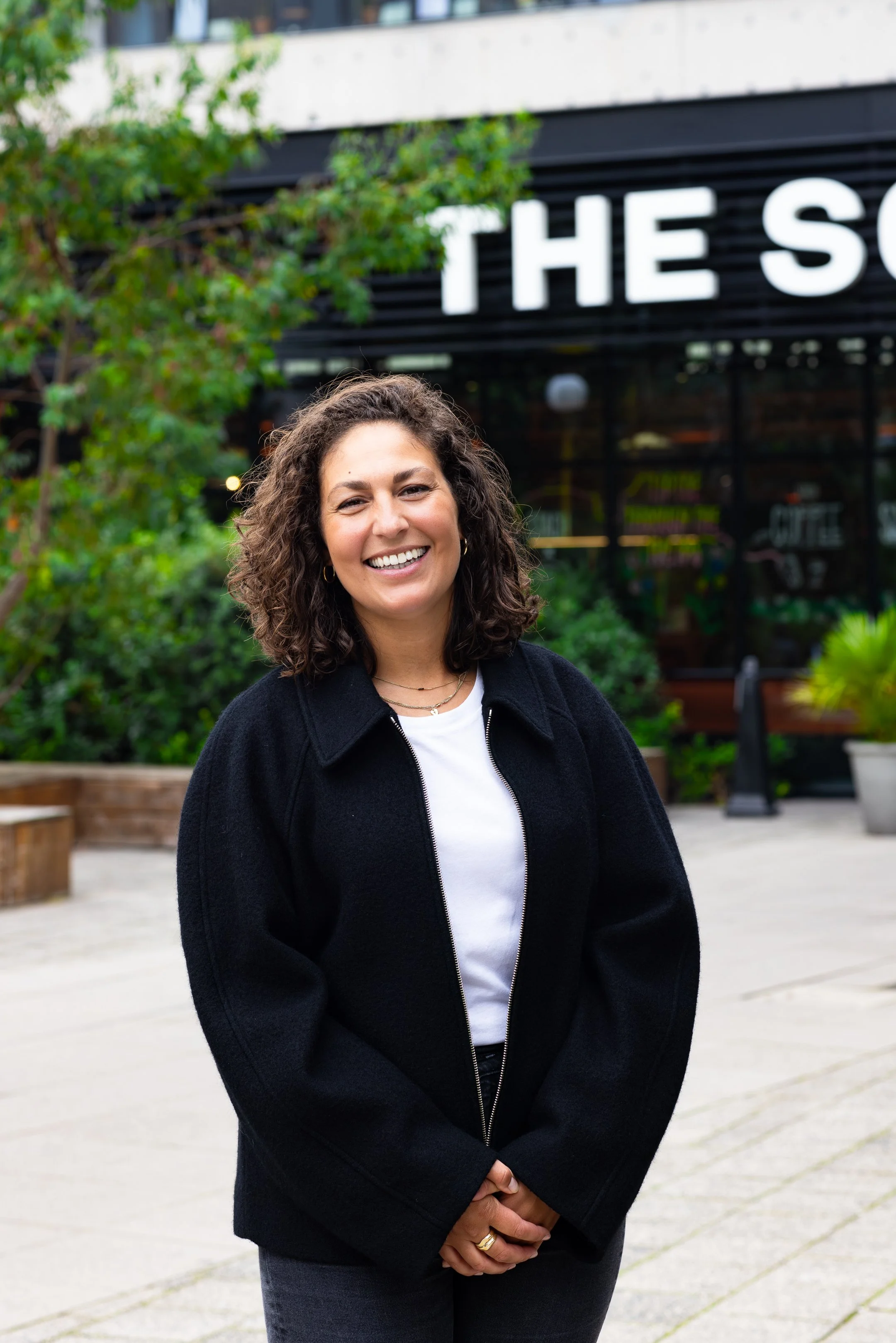
Name: Amber Westerborg
Role/Function: Director of Sustainability and Impact, The Social Hub
What are you working on these days?
I'm currently working on two big themes: the first one is truly transitioning the topic of ESG from a “burden” to a business enabler, making sure The Social Hub has such a strong foundation of ESG topics and requirements integrated into the business that it's ready for whatever. Whether it's our B Corp certification, the new EU legislation being thrown at us or any other business opportunities that may arise, we’re setting ourselves up for success by working closely with our teams and locations to make every category an integral part of their work.
The other big theme I'm working on is about putting the “S” in Social as we like to say. I feel that companies today are still mainly focusing on their environmental performance and compliance as these topics are easiest to quantify. They can come with cost savings or simply provide a reporting checklist to go through, which makes them very simple and clear.
The Social strategies often don't seem to move beyond compliance or an occasional volunteering day as a team-building activity. I think companies underestimate not only how impossible it is to work on one without the other (people and planet will always be interconnected) but also the value they can create by working on the topic.
For us, being social — in all its facets — is part of our DNA. It's what makes us The Social Hub. And the next couple of years are really about doubling down on that premise, accelerating our social impact (volunteering, community engagement, DEI, fair work, our TSH Talent Foundation etc.) and making sure we prove that being social makes good business sense.
How did you break into the impact space? What career advice would you give to professionals who are just starting out or looking to transition?
I have a background in human geography and urban planning, which is about the interaction between people and the built environment. During my master’s, I learned about corporate social responsibility, and what drew me to the topic at the time was the idea of using a business to contribute to a better society. I then got the opportunity to volunteer and later freelance for a crowdfunding organization that also worked with businesses on their impact strategies. After six years advising sustainability managers and developing strategies to support their impact plans, I felt it was time to do it myself — to make these plans come to life.
I always advise people to first think about what it means when they say they “want to work in sustainability.” Does that mean you want to be a sustainability manager at a commercial company, become a consultant, or would you be happy working as a project manager or financial controller for a social enterprise, for example? What topics interest you? By first taking the time to better define what is important for you, it'll become easier to narrow your search. I would also suggest reaching out to people that interest you, following them on LinkedIn and maybe seeing if you can invite them for a coffee to learn more about what they do and how they got there.
Working in impact is often about driving change. What is the skill or trait that has been most important for your work as a change agent? How did you learn or hone it?
I always jokingly say that I spend half my time drinking coffees with people. That is because for me, relationship building is crucial to my work. I realize that my work often comes with change, with requests, with getting other people to do something for me. As such, I think it's important that I build a foundation of trust before coming in with my emails, lists and to-dos. I want to understand who you are, how you like to work, what it is you're working on and what you need to get things going. That will make it easier for me to tailor my requests or story, to highlight what is valuable to you and to also know how to best approach you.
That is why I get a lot out of coming to the office, seeing people around and having chats here and there. Because it's often those side chats or unplanned catch-ups that set things in motion.
How has the way you think about communicating sustainability changed over the course of your career? What do you think it takes to get it right?
Because I'm intrinsically motivated to work on sustainability and make a meaningful contribution to society, I initially focused on trying to get that sense of urgency or feeling across. Why would you not want to do this? Don't you want to change the world for the better?
It's the idealist in me. While that can work in some situations, when working for a commercial company, trying to evoke an emotional response with your colleagues outside of the ESG bubble will often not work. And so I've had to learn to speak to people in “their own language” — whether that's focusing on the return on investment, brand recognition, sales opportunities etc.
It took me some time to come to grips with this, as I am someone who likes storytelling and uses connections to create engagement. Stepping away from that to only share the hard facts or focus on the marketing value did not come naturally to me.
But I've come to see it as a game and I'm mastering it quite well if I may say so. Ultimately, the goal should be to get the work done, not to convert people (that would be great, don't get me wrong, but that's not the reality).
What's a communication moment from your work that you're particularly proud of? Why do you think it landed?
I am always very proud when we publish our impact report. For one, the report has been steadily growing since we first published it in 2018, with our first report mainly outlining what our ambitions were, what we were planning to do — creating an outlook and setting an intention.
With each report since then, we've been able to gradually supplement the outlook and intention with actual goals, project updates, impact stories and proof points of the work we're doing. The report became more significant and professional, and it's a testament to how my work and The Social Hub as a whole have evolved.
But what makes me especially proud is that we've never shied away from telling the real story. I think that is also what resonates with people. From the beginning, I was adamant about giving honest updates, being transparent about what did (and did not) work, why we may have changed targets or projects or what we were still learning ourselves.
This comes back to the relationship building. I think that this approach builds trust with our community and shows we're serious about doing the work and not just wanting the spotlight of a good story or outcome.
Who in the impact space do you think is communicating their work really well right now? What are they doing differently?
I am a fan of Hannah Ritchie's work. A data scientist working for Our World in Data and the University of Oxford, she has been able to break down complex environmental data into easy-to-understand information that can inform decision-making. I also especially appreciate her scientific approach, separating the emotions from the stories — not necessarily providing any moral guidance but more so showing the impact of your decisions and how one choice may force you to rethink another.
I also enjoy listening to Otto Scharmer. His theory on presencing — operating from the future by sensing, tuning in and understanding that you're part of an ecosystem — is a strong example of how humanity is interconnected with nature. It shows that by tuning into your human senses, your humanity even, you are able to work on creating a better future. For me, he really brings together all aspects of ESG. His focus on creating connections (with each other, with nature, with animals etc.) speaks to me as I believe these relationships are crucial.