
Impact Interview: Alison Mehlsak
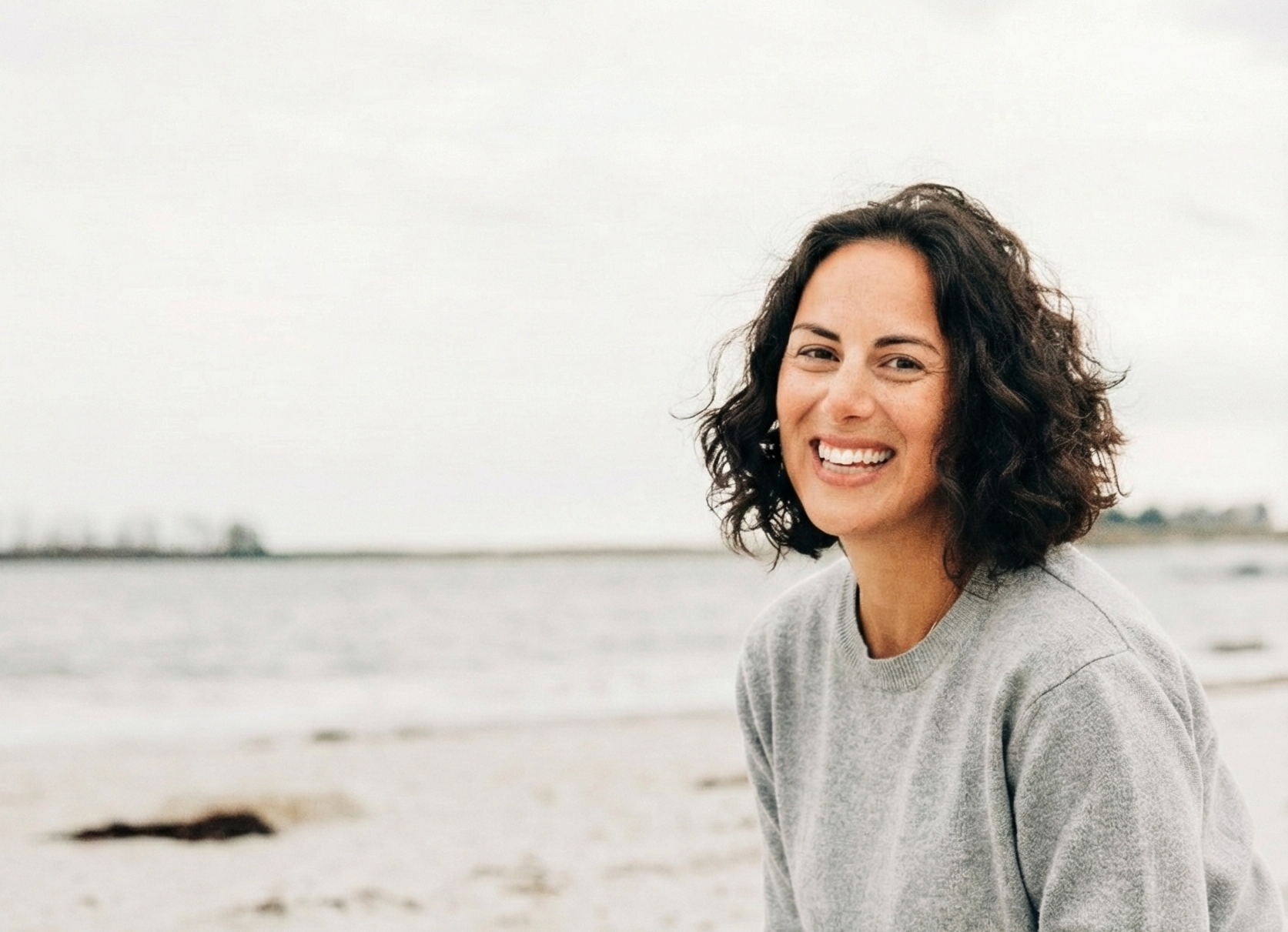
Name: Alison Mehlsak
Role/Function: Director of Impact, Seed
What are you working on these days?
At Seed we are in a really dynamic moment right now. Our core product, DS-01®, continues to grow, and this past October we launched three new products — AM-02™ for energy and focus, PM-02™ for sleep and DM-02™, our daily multivitamin. At the same time, we’ve expanded beyond DTC into Amazon, Target and Sprouts. It’s exciting growth, and it’s a lot!
That pace naturally comes with more of everything — ingredients, packaging, transportation, energy — so a big part of my work has been partnering closely with our product and operations teams to make sure we’re scaling thoughtfully, with social and environmental impact built into how we grow. I spend a lot of time on the classically unglamorous but essential work: packaging assessments, supplier engagement, emissions measurement. I truly love that part of the job — it keeps me grounded in what creates real, measurable impact and connected to the realities of delivering high-quality products responsibly.
Alongside that, I also have the privilege of leading SeedLabs, our environmental research initiative focused on supporting early-stage science exploring how microbes can help address some of the biggest challenges of the climate crisis. Through SeedLabs, we fund and support researchers around the world who study microbes that thrive in extreme environments — high heat, acidity, or elevated CO₂ and methane — conditions that increasingly mirror the future of our planet. We support these scientists in the field and help bring their discoveries into the public conversation. At its core, SeedLabs reflects Seed’s One Health approach — the idea that human and planetary health are deeply interconnected — while also creating compelling, accessible storytelling that invites people into climate solutions.
What was the “aha” moment that sparked your interest in social and environmental impact?
As a kid, I was active and participated in all kinds of organized sports. I found myself drawn to various athletic brands not just because of the usefulness of whatever equipment or gear I needed, but because of the emotional pull of the branding. I think two of my most well-worn items were Nike t-shirts, one Mia Hamm #9 shirt with "Goal Girl" on the front and another that said "Kick like a girl." I couldn't have articulated it at the time, but I was drawn to the purpose-led communication. As a college student and young professional, I was still drawn to the emotional and values-led connections between brands and consumers and followed that interest into my formal professional pursuits.
How did you break into the impact space? What career advice would you give to professionals who are just starting out or looking to transition?
I got my first job in impact in 2011 (2007 if we're counting college internships), when the landscape in our space looked incredibly different than it does today. But some characteristics of my journey do still apply, even if the sector itself has evolved:
Your network is key. Word of mouth and referrals are incredibly valuable. Don't hesitate to send that smart, thoughtful outreach to a long-lost friend or colleague. Be as generous with your time as you can be on behalf of others, too!
Don't self-select out of a job. If the job description is appealing, and you think you have most of the skills and experience needed, go for it. Apply to roles that will stretch and challenge you. When you do that, you open the aperture of what you pursue, creating more opportunities to find the thing you are looking for, and more opportunities for employers to realize you are the thing they are looking for.
Be patient and flexible. This is hard. I've never felt less patient in job hunting than when convinced I was ready to move on from a role and trying to find the next thing. It's also hard to do when the realities of life (family, bills, health insurance, etc.) weigh on you. I was always told, "your first job doesn't need to be the perfect job", but I actually think that applies to every phase of a career. No job needs to be perfect if it meets the needs of the season of life you are in.
Working in impact is often about driving change. What is the skill or trait that has been most important for your work as a change agent? How did you learn or hone it?
I chose to pursue my MBA and work briefly in a "traditional" brand marketing role because I felt strongly that, to create change and influence business leaders, I needed to understand their mindset. I needed to walk in their shoes. It was a substantial investment, but one I have applied every day in my work since then. Not only did I learn the mindset, but I also gained hard skills that are incredibly useful, too: data analysis, P&L management, a working knowledge of supply chains and business operations, marketing metrics and retail strategy, etc. For anyone who knows they want to work with brands or business leaders, finding an MBA program that can meet your needs (full-time, part-time, or something else) might be as useful for you as it was for me.
And I'd have to say resilience is an important skill, too. Change happens in fits and starts and loops — for fans of The Good Place, it's the Jeremy Bearimy timeline.
What most excites you about the impact space right now?
I'm really energized by the progress happening in women's sports. I really believe that sport can be a vehicle for change, and the leagues, players, teams, owners and brands in women's sports are doing incredible things to push culture forward.
In Seed's space, I'm also glad to see collective action in our category to fill gaps in scientific leadership at the federal level. We have always ensured that high-quality science and clinical trials support the products we launch, and we’re seeing more brands follow that model. That is a trend that can only be good for both human and planetary health.
This season, our Impact Interviews series features members of the Change Hub, our membership community for busy sustainable business professionals. Tap into trainings, tools and a trusted network of fellow impact practitioners (including Alison!) by JOINING US HERE.